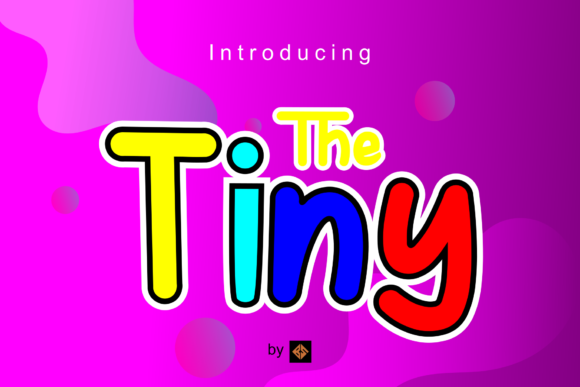
The Tiny: A Playful Font for Authentic Expression
Fonts are more than just visual elements; they carry the tone and personality of the message they convey. Among the many typefaces available, The Tiny stands out as a unique and expressive choice. Its whimsical design makes it ideal for projects that aim to evoke joy, creativity, and a sense of childlike wonder. Whether used in educational materials, branding, or digital content, The Tiny brings a distinct charm that can enhance the overall appeal of any project.
Designed with a focus on simplicity and clarity, The Tiny is not just about aesthetics. It balances legibility with a playful character, making it suitable for both casual and formal contexts. The font’s rounded edges and soft curves contribute to its friendly appearance, while its consistent stroke width ensures readability even at smaller sizes. This combination of features makes The Tiny versatile enough to be used in a variety of settings, from children’s books to marketing campaigns targeting younger audiences.
Characteristics That Define The Tiny
One of the most notable characteristics of The Tiny is its ability to communicate warmth and approachability. Unlike more rigid or traditional fonts, The Tiny has a relaxed structure that invites engagement. The letterforms are slightly irregular, which adds a handcrafted feel to the text. This imperfection is intentional, as it mimics the natural variations found in handwritten scripts, making the font feel more personal and authentic.
The font also includes a range of stylistic alternates, allowing users to customize the look of their text. These alternates can be used to create subtle differences in each letter, adding depth and visual interest without compromising readability. For example, the lowercase 'a' might have a slightly different shape depending on its position in a word, giving the text a dynamic and organic quality.
Another key feature of The Tiny is its adaptability across different mediums. Whether displayed on a screen, printed on paper, or used in a digital illustration, the font maintains its clarity and charm. This flexibility makes it an excellent choice for designers who work across multiple platforms, ensuring consistency in visual communication.
Practical Applications of The Tiny
Given its playful nature, The Tiny is particularly well-suited for projects aimed at children. Educators and parents often use this font in worksheets, storybooks, and activity sheets to make learning more engaging. The font’s friendly appearance helps reduce the intimidation factor of written material, encouraging young readers to interact with the content more freely.
In addition to educational contexts, The Tiny is also popular in creative industries such as graphic design, illustration, and branding. Designers may choose this font to add a touch of whimsy to logos, posters, or social media graphics. Its unique style can help a brand stand out in a competitive market, especially when targeting audiences that value creativity and individuality.
For businesses looking to connect with younger demographics, The Tiny offers a way to communicate in a more relatable and accessible manner. Companies in the toy, food, or entertainment sectors might use this font in packaging, advertisements, or promotional materials to create a sense of familiarity and fun. However, it’s important to balance the font’s playfulness with the professionalism required by the industry.
Considerations When Using The Tiny
While The Tiny is highly versatile, it’s essential to consider the context in which it will be used. In formal or professional settings, this font may not be appropriate, as it could be perceived as too casual or unrefined. Users should evaluate whether the font aligns with the tone and purpose of their project before incorporating it into their design.
Another consideration is the availability of the font. The Tiny may not be included in all standard font libraries, so users may need to download or purchase it separately. This can affect workflow, especially for those working in environments with limited access to custom typefaces. However, many design platforms now offer extensive font libraries, making it easier to find and use The Tiny in digital projects.
Additionally, users should be mindful of how The Tiny appears in different languages. While the font is designed with English characters in mind, its stylistic features may not translate well to other writing systems. For multilingual projects, it’s advisable to test the font thoroughly to ensure it maintains its intended aesthetic and functionality.
Why Choose The Tiny Over Other Fonts?
When compared to other display fonts, The Tiny offers a unique blend of charm and practicality. Many similar fonts prioritize either style over readability or vice versa, but The Tiny manages to strike a balance that works across various applications. Its soft, rounded shapes make it less harsh than some alternatives, while its clear letterforms ensure that the text remains easy to read.
Moreover, The Tiny has a distinct identity that sets it apart from generic or overly stylized fonts. While other fonts may attempt to mimic handwriting or create a specific mood, The Tiny does so in a way that feels genuine and thoughtful. This authenticity can resonate with audiences who appreciate originality and craftsmanship in design.
For creators and educators, The Tiny provides a tool for expressing ideas in a more engaging and accessible way. By using this font, they can create content that feels more human and less mechanical, fostering a stronger connection with their audience.
Conclusion
The Tiny is more than just a font—it’s a design choice that reflects a commitment to creativity, authenticity, and user engagement. Its playful yet readable style makes it a valuable asset for a wide range of projects, from educational materials to commercial branding. By understanding its characteristics, applications, and limitations, users can make informed decisions about when and how to incorporate The Tiny into their work. Whether used for fun or function, this font has the potential to bring a fresh and inviting perspective to any design.