Quichflour: A Handwritten Font with Vintage Charm
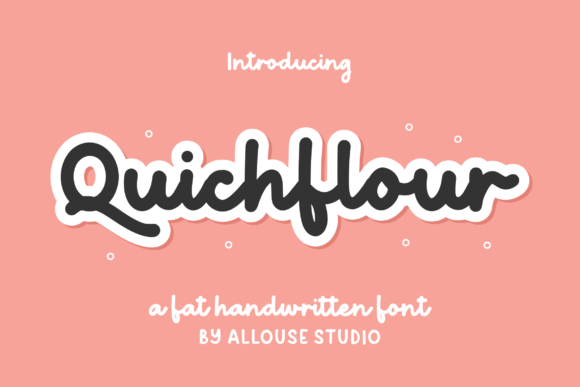
In the world of typography, where sleek and modern fonts dominate, there’s a growing appreciation for unique and character-driven typefaces. One such standout is Quichflour, a vintage-styled handwritten font that brings a refreshing and quirky aesthetic to any design. Created by Allouse Studio, this font is more than just a visual choice—it's a statement of individuality and creativity.
What makes Quichflour stand out is its blend of casual charm and refined elegance. Each letter carries a subtle imperfection that mimics the natural flow of handwriting, giving it an authentic and personal touch. This quality makes it ideal for projects that aim to convey warmth, nostalgia, or a sense of artisanal craftsmanship.
The font’s design is particularly appealing to those who want to add a distinctive flair to their work without sacrificing readability. Its characters are well-proportioned and balanced, ensuring that even in larger sizes, the font remains legible and visually pleasing. The combination of sharp details and soft curves creates a dynamic contrast that draws attention without overwhelming the viewer.
Characteristics of Quichflour
One of the most notable features of Quichflour is its handwritten style, which gives it a personal and expressive feel. Unlike traditional serif or sans-serif fonts, this typeface has a fluidity that mimics the movement of a pen on paper. This characteristic makes it especially effective for branding, logos, and titles that require a human touch.
The font also includes a variety of stylistic alternates, allowing users to customize their designs with different flourishes and letterforms. These variations can be used to create a more personalized look, making Quichflour adaptable to a wide range of creative needs. Whether it's for a wedding invitation, a book cover, or a social media post, the font offers flexibility without compromising on style.
Another key aspect of Quichflour is its versatility across different mediums. It performs well in both digital and print formats, maintaining its clarity and charm regardless of the context. This adaptability makes it a valuable asset for designers working on multi-platform projects.
Use Cases for Quichflour
Designers and creatives often turn to Quichflour when they need a font that stands out while still being functional. One common use is in branding, where the font can help establish a unique identity for a business or product. Its vintage aesthetic aligns well with industries that value tradition, such as food, fashion, and lifestyle brands.
For example, a boutique coffee shop might use Quichflour in its logo to evoke a sense of warmth and authenticity. Similarly, a handmade soap company could incorporate the font into its packaging to highlight the artisanal nature of its products. In these cases, the font serves as more than just a visual element—it becomes part of the brand’s storytelling.
Another popular application is in editorial design, where the font adds a playful and engaging tone to content. Magazines, newsletters, and blogs often use Quichflour for headings, captions, and callout text to create visual interest and guide the reader’s eye. Its organic feel complements other design elements, enhancing the overall aesthetic of the layout.
Event planners and marketers also find Quichflour useful for creating promotional materials. Whether it's a poster for a local art show or a flyer for a community event, the font’s personality helps capture attention and convey a sense of fun and creativity.
Advantages of Using Quichflour
One of the main advantages of Quichflour is its ability to convey emotion and personality through typography. Unlike more rigid fonts, this one allows for a more expressive and dynamic presentation. This emotional resonance can be powerful in marketing and communication, helping to connect with audiences on a deeper level.
Additionally, the font’s unique style sets it apart from generic typefaces, making it a great choice for those looking to differentiate their work. In a saturated design landscape, using Quichflour can help a project stand out and leave a lasting impression.
From a practical standpoint, Quichflour is also easy to work with. It comes in multiple weights and styles, offering designers a range of options to suit different needs. This flexibility ensures that the font can be used effectively in a variety of contexts, from small-scale projects to large-scale campaigns.
Moreover, the font’s clean and readable structure makes it suitable for both short and long-form text. While it excels in headlines and titles, it can also be used for body copy in certain situations, depending on the design requirements. This versatility expands its potential applications and makes it a valuable addition to any designer’s toolkit.
Considerations When Using Quichflour
While Quichflour offers many benefits, it’s important to consider its limitations. Because of its handwritten style, it may not be the best choice for all types of projects. For instance, in formal or high-precision contexts, such as legal documents or technical manuals, a more structured font might be more appropriate.
Designers should also be mindful of how the font interacts with other elements in a composition. Its organic shape can sometimes clash with geometric or minimalist designs, so careful pairing is essential. Testing the font in different layouts and color schemes can help ensure that it enhances rather than detracts from the overall design.
Another consideration is the availability of the font. While Quichflour is accessible through various platforms, users should verify that it is properly licensed for their intended use. This is especially important for commercial projects, where font licensing can have legal implications.
Finally, it’s worth noting that the font’s popularity may influence its effectiveness. As more people adopt Quichflour, its uniqueness may diminish. Designers should balance creativity with originality, ensuring that their use of the font remains fresh and impactful.
Conclusion
Quichflour is more than just a font—it’s a design tool that brings personality and charm to any project. Its vintage-inspired style, combined with its readability and versatility, makes it a compelling choice for a wide range of applications. Whether used in branding, editorial design, or marketing materials, the font offers a refreshing alternative to more conventional typefaces.
By understanding its characteristics, use cases, and considerations, designers can make informed decisions about when and how to incorporate Quichflour into their work. Ultimately, the font’s appeal lies in its ability to add a touch of individuality and creativity, making it a valuable asset for anyone looking to stand out in the world of design.