Marghines: A Playful Handwritten Script for Creative Projects
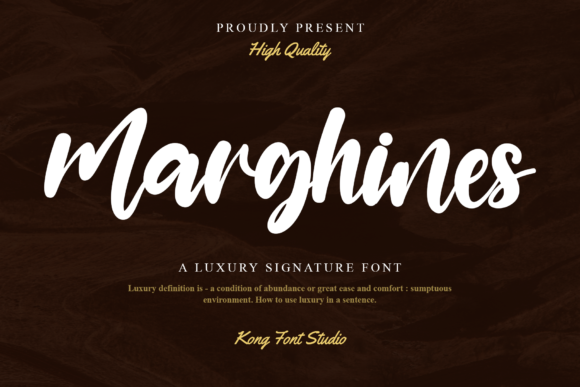
For designers and crafters looking to add a unique, personal touch to their work, Marghines is a standout option. This modern handwritten script font brings a sense of whimsy and creativity that can elevate any project. Whether you're working on branding, packaging, or digital art, Marghines offers a fresh and expressive alternative to more traditional typefaces.
One of the key strengths of Marghines is its versatility. The font’s playful style makes it ideal for a wide range of applications, from logos and social media graphics to invitations and product labels. Its handcrafted appearance gives it a warm, approachable feel that can resonate with audiences in a way that more rigid fonts might not. This makes it especially valuable for businesses or individuals aiming to convey a friendly, creative brand identity.
Why Marghines Stands Out
Marghines isn’t just another script font—it’s designed with both functionality and aesthetic appeal in mind. The font features a range of glyphs and ligatures that allow for more natural, flowing text. These elements help create a more authentic handwritten look, which can be crucial when trying to achieve a specific visual tone. For example, using Marghines in a wedding invitation can give the design a more personal, artisanal feel, making it stand out from mass-produced alternatives.
Another notable feature is its compatibility with popular design tools like Photoshop and Silhouette Design Studio. This means that whether you're working on a digital project or preparing files for a physical print, Marghines is easy to integrate into your workflow. The PUA encoding ensures that all the special characters and ligatures are accessible without requiring additional software or plugins, making it user-friendly even for those who aren’t deeply familiar with font technology.
Practical Uses for Marghines
Designers often turn to Marghines when they want to add a custom, handmade feel to their projects. For instance, in a branding campaign, using Marghines for headings or slogans can create a distinctive visual identity that feels more personal and less generic. It’s also a great choice for small businesses or independent creators looking to establish a unique presence online or in print.
In the world of crafts, Marghines can be used to create custom designs for things like T-shirts, mugs, and greeting cards. With its playful style, it’s perfect for projects that aim to evoke a sense of fun and creativity. For example, a DIY enthusiast might use Marghines to design a set of printable stickers or a custom calendar, adding a personal flair that sets their work apart.
Additionally, Marghines is well-suited for digital illustrations and graphic design work. Its fluid, cursive style can complement other design elements, such as icons or background textures, creating a cohesive and visually appealing layout. When paired with bold, sans-serif fonts, it can also add contrast and visual interest, making it a flexible choice for a variety of design styles.
Who Benefits from Using Marghines?
While Marghines is ideal for designers and crafters, it also appeals to a broader audience of creatives who value originality and expression. Students, artists, and hobbyists may find it useful for personal projects, such as creating custom artwork, designing school presentations, or crafting personalized gifts. Its ease of use and accessibility make it a practical choice for anyone looking to enhance their creative output with a unique typographic element.
For professionals in industries like marketing, advertising, and publishing, Marghines can be a valuable tool for creating eye-catching visuals. Its ability to convey emotion and personality through typography makes it particularly effective for campaigns targeting younger or more casual audiences. In this context, using Marghines can help brands connect with their audience in a more relatable and engaging way.
Getting the Most Out of Marghines
To fully leverage the potential of Marghines, it’s important to experiment with different sizes, weights, and color combinations. While the font itself is highly readable, adjusting its scale can dramatically change how it looks in various contexts. For example, using a larger size for headlines can make them more prominent, while smaller sizes may be better suited for body text or captions.
Another tip is to pair Marghines with complementary fonts. A clean, modern sans-serif can balance the fluidity of the script, resulting in a more polished and professional look. On the other hand, combining it with another script font can create a layered, dynamic effect that adds depth to the design. Testing these combinations in different layouts can help uncover the best ways to use the font effectively.
Finally, don’t forget to explore the full range of glyphs and ligatures available in Marghines. These elements can add subtle details that enhance the overall aesthetic of a design. Whether it’s a special symbol, an alternate character, or a unique connection between letters, these features can make a significant difference in the final result.
Where to Find Marghines
Marghines is available through platforms like Creative Fabrica, where users can download and access the font for both personal and commercial use. The font was created by Kong Font Studio, a reputable source for high-quality typography. By purchasing or downloading Marghines from trusted sources, users can ensure they’re getting a reliable and well-designed font that meets their creative needs.
When considering a font like Marghines, it’s important to think about how it will fit into your existing design process. Does it align with your brand’s visual identity? Will it help you communicate your message more effectively? By answering these questions, you can determine whether Marghines is the right choice for your next project.